🚀 Supercharge your YouTube channel's growth with AI.
Try YTGrowAI FreeThe Power Of Python In Online Gambling Data Analysis


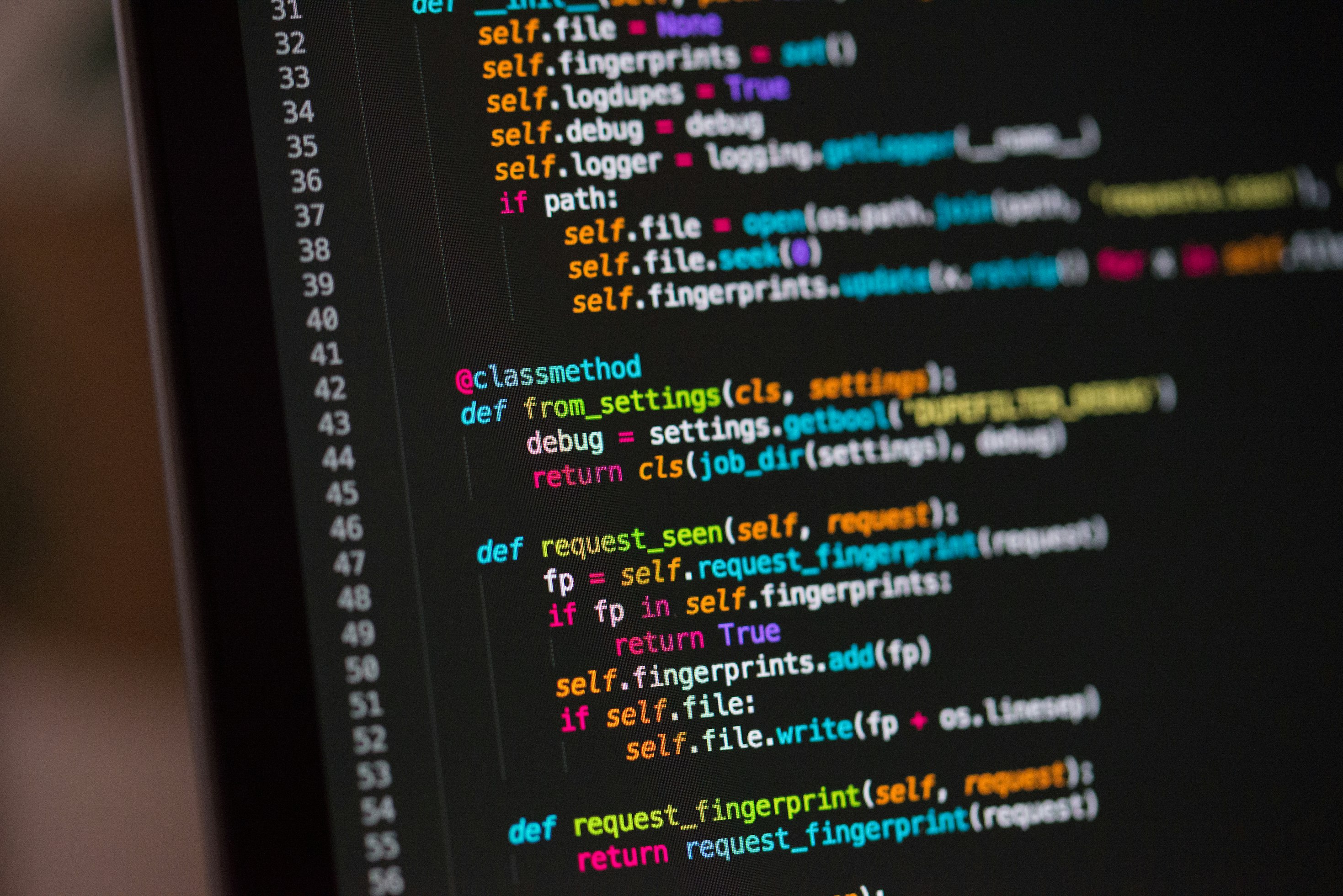
Online gambling is driven by data. Data is used to formulate betting odds, determine winnings and player returns, and calculate the success or failure of the online gambling website. Thorough data analysis can help casinos identify areas for improvement, as well as their best-performing games or bets, driving future offers and ensuring the gambling site optimizes its profits while meeting regulatory requirements and maintaining a positive relationship with clients. Python, with its legible syntax and its expansive frameworks, facilitates effective data collection, analysis, and modeling.
The Online Gambling Industry
Online gambling is a massive industry, expected to reach $100 billion in revenue within the next couple of years. Popular games include table games like real-money roulette and blackjack. Free gambling games, like the free slot games listed here by Techopedia, have also grown in popularity. According to slots expert Wilna van Wyk, free-to-play slots provide you with risk-free entertainment and allow you to try out thousands of games without having to deposit any money.
Regardless of whether a player deposits money or plays for free, each player contributes to the site’s data.
Data Collected
From game data to player and wager data, there is a lot of information for casino owners to manage. That data needs to be reliable and accurate, and so too does the way it is managed and used. Casinos can use data to determine play demographics, analyze market trends, and determine and drive platform performance. There is a lot of useful data, but it is only beneficial if you can accurately collect it. This is where Python comes in.
Python Features For Online Gambling
Python, which has been used by an estimated 8.2 million over the last 30 years, is highly geared towards its handling of data. It is possible to create gambling games using the language, while its syntax is easy to read and translate. It is versatile and it quickly processes algorithms, which means it isn’t just useful for making gambling games but for collecting, collating, repurposing, reporting, and using data from online gambling sites.
Data Collection
The easiest way to gather data is via the gambling website itself. This can include data on players, transactions, and the results of games themselves. However, this only paints a partial picture. Using Python APIs it is possible to scrape and collect data from other sources. It can even gather data from social media. Users need to ensure they comply with data-handling regulations.
Data Repurposing
Python can also be used to clean that data so it removes inaccurate, incomplete, and otherwise unreliable data. It can remove duplicate entries, which can be a problem with some external data sources and can be used to analyze the data to ensure reliability and accuracy. Once data has been cleaned, Python frameworks can be used to convert it into a usable format, ensuring that all data, no matter its sources, is uniform.
Data normalization can take disparate data and convert results to the same format. In gambling, one dataset that might need normalizing is that of odds with different countries displaying odds in different formats including fractional, decimal, and moneyline odds. These three formats can’t be directly compared without first converting them.
Python can also be used to apply min-max scaling. In min-max scaling, the minimum and maximum values of a dataset are determined. The minimum, or lowest value, is then assigned a value of 0, and the highest value is assigned as 1. Other data is assigned values across a range between 0 and 1, which brings all of the results within a desirable scale while maintaining their original distribution.
Facilitating Exploratory Data Analysis
Exploratory data analysis means manually looking at a dataset to explore its results and creating a summary of what can be seen. This is practically impossible with datasets consisting of millions of entries, without first working with the data. Python can offer descriptive statistics, which can then be confirmed by the user, and it can offer a host of data visualizations that utilize all data points but negate the need to have to individual view every record. It’s a lot easier to read data in a histogram than it is on a typical spreadsheet.
Training Predictive Models
Predictive models are used to predict future outcomes by analyzing past results and current data. If an online gambling site knows that it has been losing 5% of its players for the past 6 months, it can reasonably assume that, if nothing changes, it will continue to do so for the next 6 months. But, what if the site were to introduce a loyalty program that rewarded returning players with free spins on its slot machines?
Predictive modeling can use the data it has regarding play incentives and player churn to give some kind of prediction as to the effect of this new initiative. Python uses machine learning algorithms to help create and train predictive models.
The website can use these models to predict player actions and interactions, as well as generate site performance and profit levels. Using this data, an online gambling site can minimize its losses, maximize its profits, and optimize overall performance. Such benefits explain why companies spend upwards of $40,000 on data analytics.
Conclusion
Gambling websites gather a lot of information and use a lot of external data from third parties to create legitimate games and ensure profits. Data can include transaction data, individual game records, player details, and much more. Analyzing and using this data manually would be virtually impossible.
Python, with its vast collection of frameworks and data-handling processes and procedures, not only makes the process simpler but can ensure the integrity of the data while even making future predictions. It can even be used, typically in conjunction with other languages and frameworks, to create evolved gambling games that are fair to players and the casinos themselves. And it can be used to create advanced reports on the site’s performance to show stakeholders.