🚀 Supercharge your YouTube channel's growth with AI.
Try YTGrowAI FreeHow Python Upgrades Everyday Randomness in Games


Randomness is at the core of each video game we play, whether online or offline. It is a fundamental element that determines the unpredictability and excitement of gaming experiences.
Using randomness has gone beyond simple dice rolls or coin flips. It has become a part of our modern games, deciding the mechanics of gameplay, a balanced system, and user engagement.
The evolution of random games greatly involves Python because the developers utilize the powerful libraries offered by the language to introduce a dynamic and unpredictable world. This process borrows randomness from real psychological operations like identity transformations.
The Role of Randomness in Games
Randomness is one of the most vital aspects of game design, keeping players active through chance and its novelty. The chance deck card games, which are worldwide in use, borrow from poker, chess, or dice rolling to any board game; the element of randomness makes the gaming experience richer and more diverse.
Randomness replicates the real-life simulated activities that the players face, such as poker, chess, or rolling dice in a board game. Beyond the mere engagement device, randomness is a highly significant ingredient in ensuring fairness within the games. A game should be balanced and fun enough that you can afford to involve the experts.
Therefore, all players should have the same reasonable chance of success, independently of their skill level. This is achieved through the Random Number Generators (RNGs), the Python programming language components that ensure the balance of the game experience.
A vast amount of money has been spent in the gaming category, and one of the most significant segments is in the United States. As hinted by Statista, the video game industry in the U.S. was only able to produce total revenue of $65.49 billion in 2023, $64.88 billion the previous year. The increasing interest in randomness-dependent systems in video games validates the position of tools such as Python, which provides developers with seamless integration of the main systems of these centers into their games.
Python’s Role in Randomness Generation
When developers want to create randomness in their games, the best option they choose is Python. The programming language is simple and flexible and comes with the necessary libraries, such as “random” and “secrets,” that can generate both pseudo-random and true random numbers.
Python’s role in creating randomness extends beyond the simple roll of the dice; whether playing video games or gambling at trusted online casinos that use Random Number Generators, this language generates the entire system of fairness and uncertainty.
The random library in Python is a rich source of methods for producing pseudo-random numbers. These numbers appear to be random but are not completely random according to the player.
These pseudo-random numbers are generated by algorithms designed to appear random while still retaining control over certain parameters. This kind of randomness is optimal for most gaming activities, for example, determining which enemies players will face, when rare items will be dropped, or how some handling events will come into play.
Pseudo-Randomness in Game Development
The random module is a favorite among developers who want to make the results of their games totally predictable and yet unpredictable, primarily in non-critical gaming environments.
The Legend of Zelda: Breath of the Wild, for example, relies on pseudo-randomness to decide its treasure chest appearance, its weather conditions, and its enemy spawns. This aspect of the game creates a sophisticated and varying system that keeps players in suspense.
On the other hand, actual random generation is a must-have technology in environments that require higher risks. In these cases, developers turn to the “secrets” library built into Python, which provides the generation of secure random numbers that cannot be predicted.
This library is absolutely essential in games of pure fortune, like those found in online slots and roulette tables, where fairness and neutrality are prerequisites.
True Randomness and Python’s ‘Secrets’ Library

One of the hidden potentials of the Library in Python is that it can give us truly random numbers. The Developer Note: “They can be born on one device, and then in some way, they get to the other one.” This is a situation where high-value prizes are involved, as in games like casinos.
Trust and credibility, therefore, will grow among players. This is precisely where Python’s secret library gets down to, the one where the most random of the randoms can be generated using such a mechanism that will ensure the players have fair and transparent games.
Ensuring Fairness Through Python
In video games, particularly in a competitive and multiplayer online environment, the most significant thing is fairness. Surely, no one wants to immerse themselves in a game only to find it rigged. Thus, we see that the role of random number generators (RNGs), especially those powered by Python, is key to ensuring the players are treated equally, without any “hidden” biases.
In the instances of MMORPGs such as World of Warcraft or Diablo, the RNG system that has the engine In Python makes it possible for all players to achieve the same likelihood of getting the rare items regardless of how long they have been playing or how weak their character is.
What makes this system work is the fact that it is random thus making each player’s journey very personal and giving both starter players and experienced players chances of unpredictability and thrill.
Furthermore, integrity is fundamentally unalterable in internet gaming, in which methods of a random number generator determine all outcomes, from the cutting of cards in poker to the rolling of a roulette wheel. Python guarantees that these random number generators do not get parts of the previous pulling sequence, delivering a game that shows no bias towards any player in any way.
Real-World Examples: How Python Shapes the Gaming Industry
One real-world example of how Python shapes the gaming industry is the development of indie games, which heavily rely on procedural generation. For example, the games No Man’s Sky and Spelunky use Python’s randomness algorithms to create very large and unpredictable environments that the player can explore.
Specifically, in the game No Man’s Sky, for example, whole planets and some ecosystems are generated randomly, thus allowing players to have an experience that is both unique and constantly changing in the universe of the game.
Also, in the case of mobile apps, Python’s ability to produce random numbers in games like Candy Crush and Clash Royale is a key point, which is why these games rely on it. The reason for that is randomness, which is the determining factor of the puzzle’s configuration or the execution sequence of the cards.
The random nature of these events ensures the players’ constant return as they know that every new match is a game of chance and novelty.
Python, Randomness, and the Future of Gaming
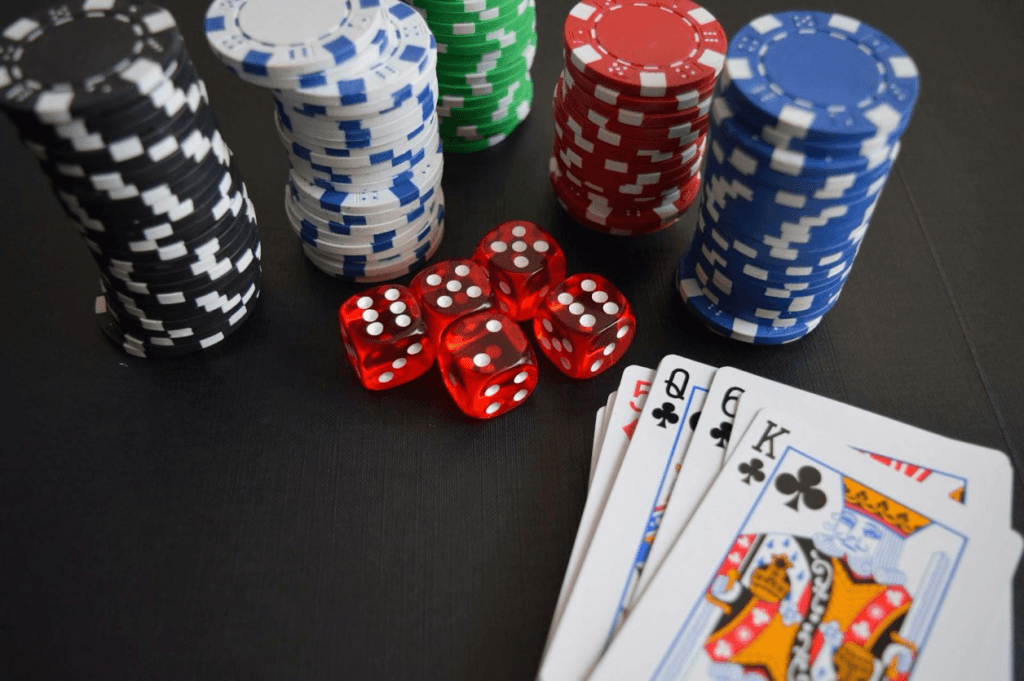
As the gaming market is projected to grow in revenue in the U.S. gaming industry with figures that could reach $74.78 billion by 2026, the need for safe, fair, and entertaining game mechanics will only increase.
Whether it’s the RPG loot system, online casino games, or the generation of procedural worlds, Python is responsible for ensuring that every roll, spin, and loot drop is totally random, giving the players a fair chance at winning.
Developers rely on Python’s powerful libraries to add randomness to the games they create, ensuring that unpredictability and fairness are the sole traits of gamers everywhere.
Share Your Thoughts!
Have you ever stopped to think about the significance of randomness in your games? Or do you recall the excitement of an unpredictable online casino game? We want to hear your views!
Have you had any exciting moments, or do you have anything you would like to ask about regarding the use of Python in games and other forms of randomness in daily life?